Wondering whether a townhome in Arvada or Golden could be the right fit for your next move? If you want more space than many condos, less exterior upkeep than many detached homes, and a price point that may feel more approachable than a single-family home, a townhome can be a smart middle ground. The key is knowing how these two markets differ and what to check before you write an offer. Let’s dive in.
Arvada vs. Golden townhome market
If you are comparing Arvada and Golden, the first big difference is scale. Arvada currently has 134 townhouses for sale at a median listing price of $499,000, while Golden has 18 townhouses for sale at a median listing price of $727,000.
That points to a more accessible attached-home entry point in Arvada and a tighter, higher-priced market in Golden. The comparison is directional because the townhouse figures reflect active listings and the citywide figures reflect closed sales, but the overall picture is still useful for buyers.
Competition matters too. Arvada homes receive about 2 offers on average and sell in around 14 days, while Golden homes receive about 5 offers on average and sell in around 10 days.
For you as a buyer, that usually means Golden may require faster decisions and cleaner offers. Arvada can still move quickly, but it may give you a little more room to compare options.
What kind of townhomes you can expect
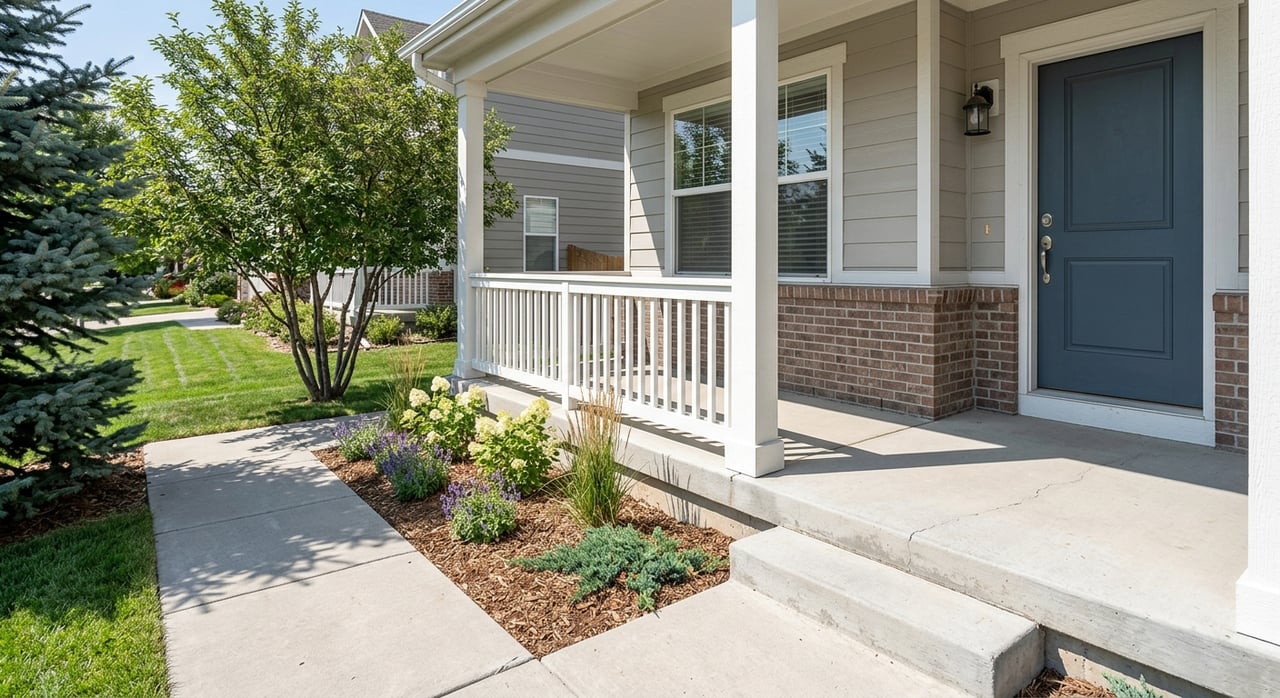
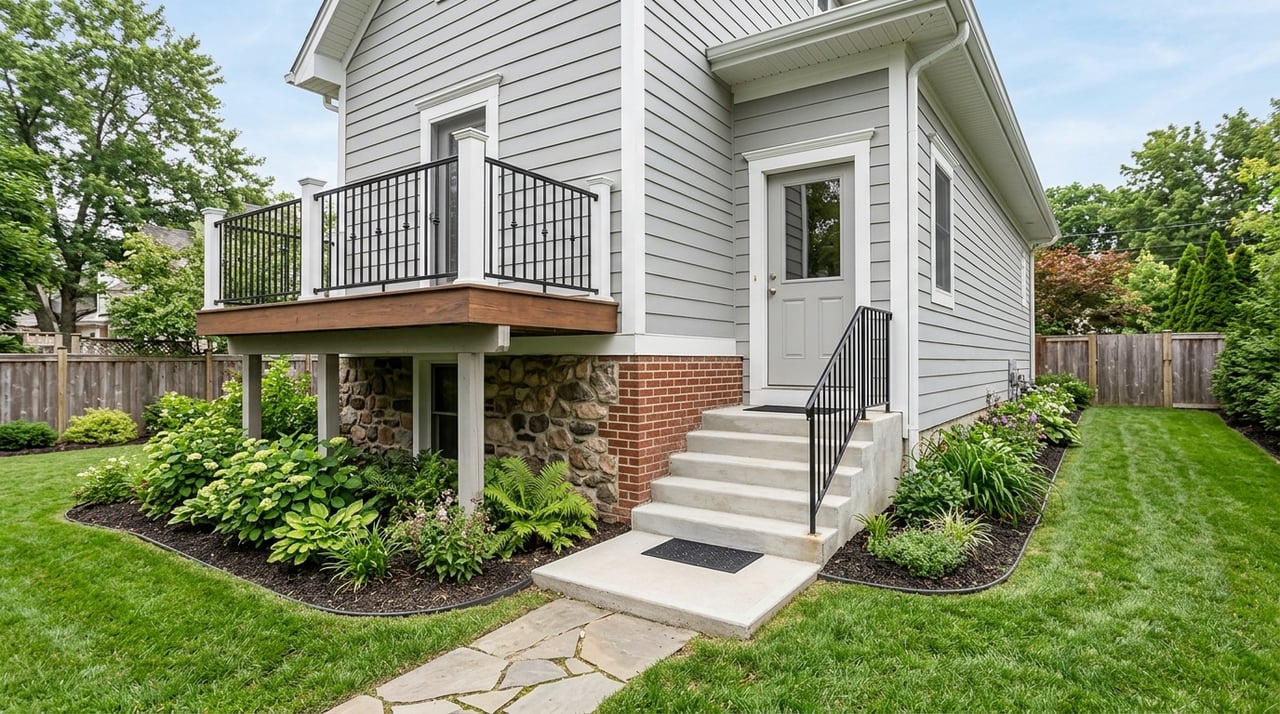
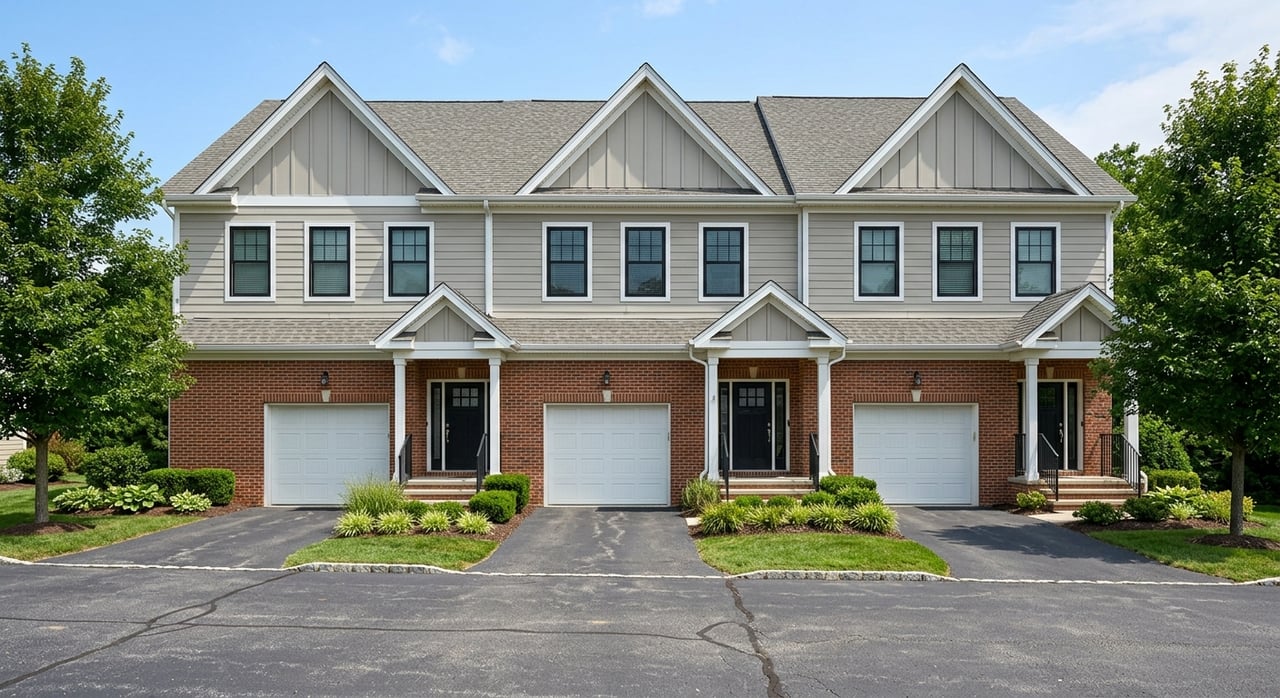
In both cities, townhomes tend to be multi-level attached homes with practical living space rather than large lots. That can work well if you want several bedrooms and usable square footage without taking on the full exterior maintenance burden of a detached property.
Current Arvada listings show a wide range. That includes 2-bedroom, 1-bath units around 800 to 900 square feet priced roughly from $260,000 to $298,500, 2-bedroom, 2-bath units around 1,040 square feet priced from about $385,000 to $419,950, and larger 3-bedroom, 4-bath homes around 1,650 to 2,324 square feet priced around $499,990 to $595,000.
Golden’s current listings are fewer, but they still show variety. Recent examples include 2-bedroom, 2-bath units around 1,287 square feet from about $375,000 to $530,000, 3-bedroom, 4-bath homes around 2,277 square feet near $550,000, and 4-bedroom, 4-bath homes around 1,756 to 2,195 square feet from roughly $475,000 to $625,000.
The takeaway is simple. In Arvada, you are more likely to see a broader range of inventory and pricing. In Golden, choices may be more limited, so you may need to act faster when a well-matched home hits the market.
Why buyers choose townhomes
For many buyers, the biggest advantage is value. Townhomes often cost less than detached homes, and they can offer a useful balance of space, privacy, and lower exterior upkeep.
Another major benefit is HOA-supported maintenance. In many communities, the HOA handles common elements, landscaping, and some maintenance responsibilities, which can reduce the amount of weekend work on your plate.
That setup can be especially appealing if you want a more lock-and-leave lifestyle or simply do not want the full responsibility of a large yard and exterior care. Still, the details vary from community to community, so it is important to confirm exactly what is included.
The tradeoffs to understand upfront
Townhomes also come with tradeoffs, and it is better to understand them early. The most common are monthly HOA dues, rules that may limit owner discretion, shared insurance exposure, and the possibility of special assessments.
Special assessments are one of the biggest items to watch. In Colorado, they may be used for common-element repairs, unexpected major expenses, new construction, or reserve funding.
You should also know that dues may rise if the governing documents allow it. DORA notes that delinquency can lead to late fees, interest, attorney fees, loss of amenities, liens, and even foreclosure risk, which is one reason a financially healthy HOA matters so much when you buy.
Review HOA documents carefully
If you are buying in a Colorado HOA, you are entitled to the section 7 HOA documents in the residential contract. According to DORA, these materials should include governing and financial documents, and buyers should also review the prior year’s meeting minutes for signs of pending or likely special assessments.
That review is not just paperwork. It can tell you whether the community is well run, whether maintenance is being handled consistently, and whether there are budget or insurance issues that could affect your ownership costs.
DORA also recommends finding out whether the association is professionally managed and who the community association manager is. That detail can give you a better sense of how organized day-to-day operations may be.
Key HOA documents to check
The most important documents usually include:
- Declaration or CC&Rs
- Articles of incorporation
- Bylaws
- Governance policies
- Rules and regulations
- Budget and financial documents
- Prior year meeting minutes
In Colorado, the declaration outlines broad restrictions and the assessment-allocation formula. Bylaws cover board structure, elections, notices, and meeting procedures, while required policies address issues like collections, covenant enforcement, records inspection, reserve investment, and reserve study policies.
Understand maintenance and insurance
One of the biggest questions with any townhome is this: What does the HOA actually maintain? Colorado law gives boards broad discretion over how and when landscaping and maintenance are performed, so you should verify what counts as a common element and what does not.
Do not assume that all exterior items are automatically covered. In one community, the HOA may handle roofing, siding, and landscaping. In another, your responsibilities may be broader.
Insurance deserves the same level of attention. DORA says Colorado HOAs must maintain common-element property insurance and general liability insurance, but that does not mean the HOA policy covers everything you need as an owner.
Before your inspection deadlines, confirm:
- The HOA’s master insurance policy
- What parts of the structure or common elements are covered
- What owner coverage is required
- Whether there are special hazard requirements
- How claims may be handled for attached structures
This matters because damage from events like hail may become an HOA claim, and shared insurance exposure can affect your experience as an owner.
Pay close attention to reserves and dues
A townhome community’s finances can affect your monthly cost and your future risk. Regular dues often fund operations such as maintenance, landscaping, insurance, legal fees, and registration fees.
Reserve funds are different. DORA says reserves are intended for deferred and unexpected expenditures, and reserve studies are used to estimate future reserve needs.
For you, the practical question is whether the HOA appears prepared for major future costs. If reserves are thin, there may be a greater chance of dues increases or special assessments later.
Financing can differ more than buyers expect
Not every property labeled “townhome” is financed the same way. One of the most important questions to answer early is whether the property is legally structured as a fee-simple PUD or as a condo-form attached home.
That distinction can affect underwriting. Fannie Mae says a PUD must have automatic and nonseverable HOA membership, mandatory assessments, HOA ownership and maintenance of common property, and the unit cannot be legally created as part of a condo or co-op project.
Condo financing has its own rules. HUD says FHA insures condominium loans only in FHA-approved projects or projects that qualify for Single-Unit Approval, and the project must meet standards related to completion, insurance, finances, title, litigation, and property condition.
VA financing is also project-based for condos. The VA states that a condominium or lot must be approved by the VA to be eligible for VA loan guaranty.
Why this matters for your home search
In practice, fee-simple PUD townhomes are often simpler to finance than condo-form attached homes. That does not mean a condo-form property is a bad option. It just means you should verify the legal structure with your lender early instead of assuming every townhome will follow the same loan path.
This is especially important in a faster market like Golden, where losing time on financing questions can put you behind competing buyers.
A simple buying strategy for Arvada and Golden
If you are shopping Arvada and Golden at the same time, keep your process focused. The market differences are real, but the right due diligence steps are similar in both places.
Use this checklist as a starting point:
- Set a realistic budget that includes HOA dues.
- Compare Arvada’s larger inventory against Golden’s tighter supply.
- Ask early whether the property is a PUD or condo-form townhome.
- Review HOA documents, budget, and meeting minutes.
- Confirm what the HOA maintains and insures.
- Look for signs of reserve strength or potential special assessments.
- Be ready to move quickly, especially in Golden.
A clear plan can help you act with confidence instead of rushing through major details. That is often the difference between buying a home you feel good about and buying one that comes with surprises later.
Which market may fit you best?
Arvada may be the better fit if you want more inventory, a wider range of price points, and a more accessible entry into attached-home ownership. It can be a strong option if you value flexibility and want more choices while you compare layouts, HOA structures, and monthly costs.
Golden may be the better fit if you are comfortable with a tighter, more competitive market and you are prepared for higher pricing. With fewer townhomes for sale and faster average timelines, it often rewards buyers who are well prepared before they start touring.
In either city, the smartest move is to look past the label “townhome” and dig into the details that shape the real cost of ownership. HOA scope, reserves, insurance, dues, special assessments, and financing structure all deserve a close look.
If you want a clear, local-first strategy for buying a townhome in Arvada or Golden, The Root & Rise Group can help you compare options, evaluate HOA and financing details, and move with confidence when the right home appears.
FAQs
What is the difference between buying a townhome in Arvada and buying one in Golden?
- Arvada currently offers more townhome inventory and a lower median listing price, while Golden has fewer available townhomes, higher pricing, and faster competition.
What HOA documents should you review before buying a townhome in Colorado?
- You should review the section 7 HOA documents, including the declaration or CC&Rs, bylaws, articles of incorporation, rules and regulations, financial documents, and prior year meeting minutes.
What should HOA dues cover in a Colorado townhome community?
- Regular dues often cover operations such as maintenance, landscaping, insurance, legal fees, and registration fees, but you should verify each community’s actual inclusions in the governing documents and budget.
Why does financing a townhome in Arvada or Golden sometimes get complicated?
- Financing can differ based on whether the property is legally structured as a fee-simple PUD or a condo-form attached home, and condo financing may involve project approval requirements for certain loan types.
How do you check for special assessment risk in a Colorado townhome HOA?
- Review the HOA budget, reserve information, and prior year meeting minutes, since DORA specifically recommends those materials for identifying pending or likely special assessments.
What insurance questions should you ask before buying a townhome in Colorado?
- You should confirm the HOA master policy, what common elements are covered, what owner coverage is required, and whether there are any special hazard requirements that could affect your costs or coverage.