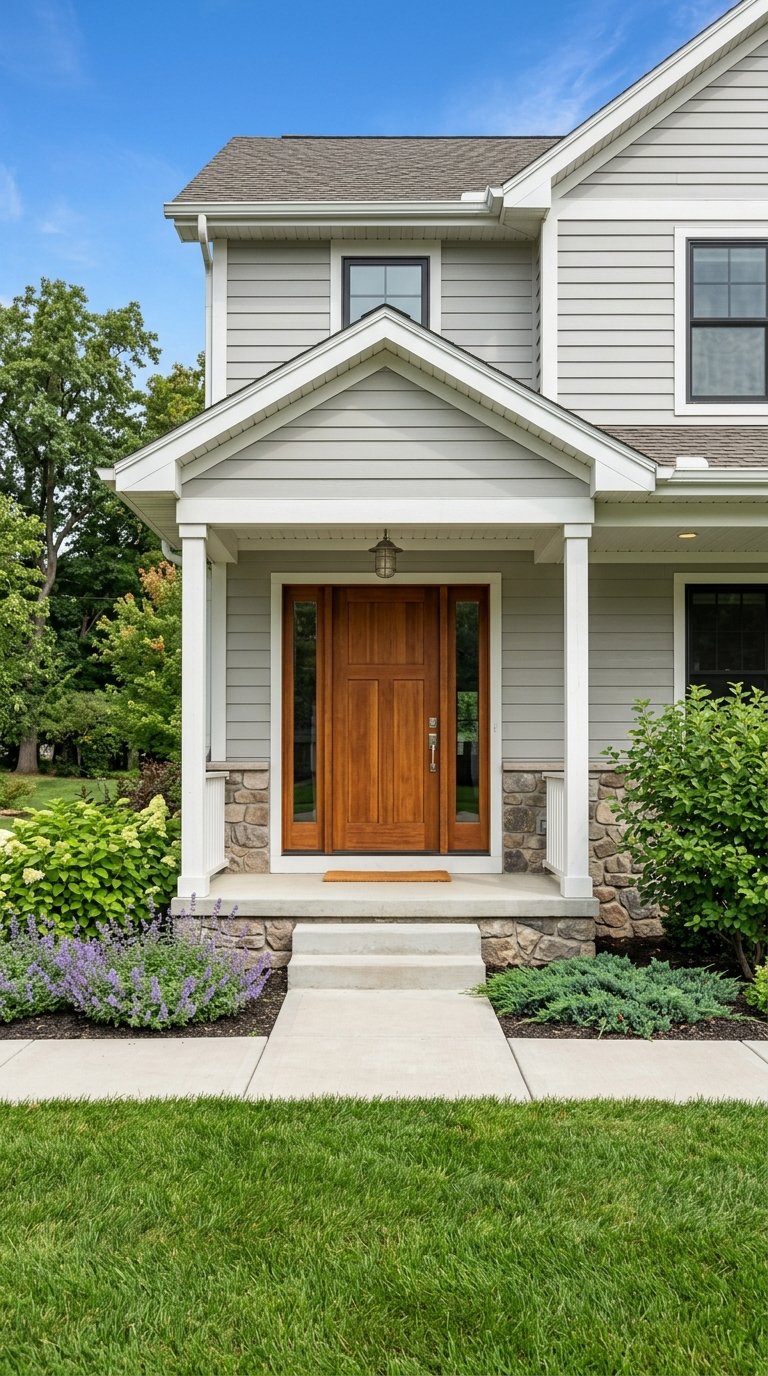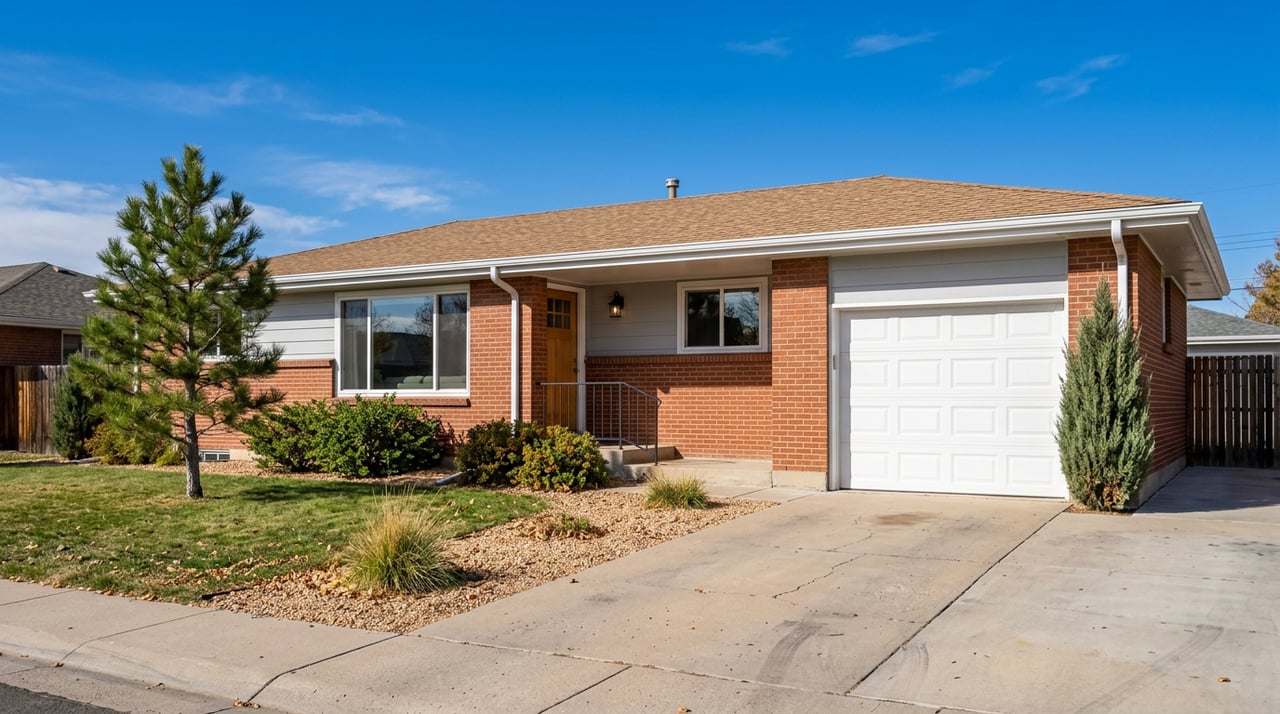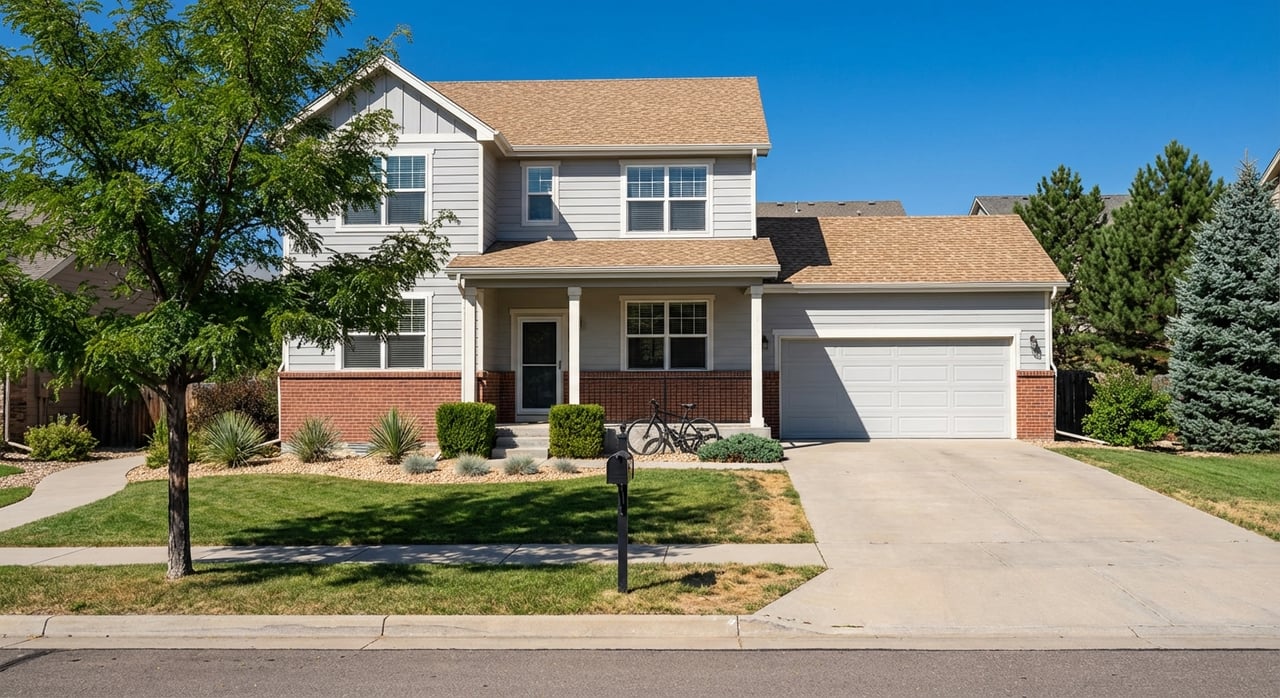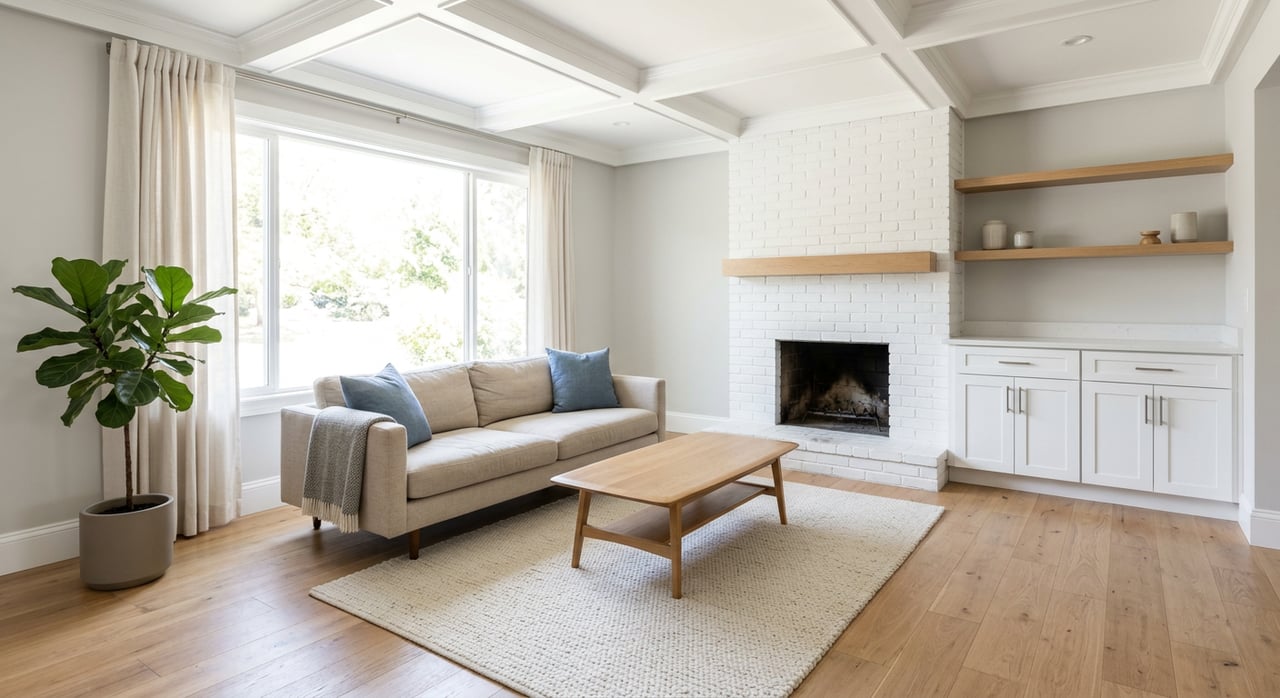
Is Arvada on your shortlist for a rental or your next fix and flip? You are not alone. With walkable pockets near Olde Town, steady suburban demand, and a wide range of property ages, Arvada offers options for both buy and hold and value add strategies. In this guide, you will see current rent and yield context, neighborhood fit, a step by step underwriting process, and the local rules that can make or break returns. Let’s dive in.
Why Arvada works for investors
Arvada sits on Denver’s northwest edge with convenient RTD G Line access and a mix of older single family neighborhoods and newer master planned communities. That mix creates opportunities at multiple price points, from cosmetic renovations on mid century ranches to long term holds in newer subdivisions. The historic core near Olde Town tends to earn premium rents thanks to walkability and transit.
You will find that Arvada’s pricing often requires strategy. Many single family rentals purchased at market value produce modest cap rates, so investors lean on value add renovations, house hacking with ADUs, or careful negotiation to unlock returns. The key is to buy with a clear plan and conservative numbers.
Rent and price snapshot
What rentals fetch today
- RentCafe reports the average Arvada apartment rent around $1,822, with typical 1 bedroom units near $1,631, 2 bedrooms near $1,894, and 3 bedrooms near $2,308. These averages vary by neighborhood, with Olde Town and newer areas often at a premium. You can scan current averages by neighborhood using the RentCafe dashboard. Review Arvada rent trends and neighborhood data.
- For detached houses, Rentometer shows higher averages than apartments in current snapshots, with 2 bedroom houses around $2,195 and 3 bedroom houses around $2,977. Use this when your subject property is a single family home rather than an apartment. Check Arvada house vs apartment rents.
Use both sources and active listings when you build comps. Advertised asking rents can differ from effective rents if concessions apply, so adjust your numbers to what tenants actually pay.
Vacancy pressure and rent growth
Across metro Denver, apartment vacancy climbed to about 7.6 percent at the end of 2025 as a wave of new buildings hit the market. That higher vacancy puts short term pressure on rent growth, though micro markets like Arvada can perform differently by product type and location. When projecting near term rent bumps, stay conservative. See the latest Denver metro vacancy context.
Home values and yield context
In recent snapshots, typical Arvada home values have hovered around the low $600,000s. Regional multifamily reports show stabilized Denver assets trading around the mid 5 percent cap rate range. For small investors, many single family purchases at market price will pencil to mid to high single digit yields only after thoughtful expense budgeting and rent optimization. Use this context as a quick gut check when you calculate NOI and cap rate. Review regional cap rate anchors.
Best areas for rentals and flips
Olde Town Arvada: premium rents and design rules
Olde Town’s historic character, dining, and easy G Line access support premium rents and strong tenant demand. Properties here often reward tasteful modernization rather than heavy teardowns because historic overlays and design guidelines apply. If you plan exterior changes or additions, study the rules early to keep timelines and budgets realistic. See Olde Town design guidelines.
Best fits: short term buy and hold with premium rent potential, house hacking with ADUs where allowed, and careful cosmetic flips.
Arvada West and Northwest Arvada: steady long term holds
West and northwest neighborhoods offer established subdivisions with a mix of mid century and newer stock. Prices are often more approachable than the historic core, with steady long term rental demand and lower turnover risk. If you prefer long horizon holds, these areas can provide predictable performance when underwritten with conservative rents and expenses.
Allendale and South Central Arvada: value add plays
Older bungalows and 1950s to 1970s homes provide room for cosmetic and systems upgrades that can meaningfully lift after repair value. Entry prices often come in below premiums found near Olde Town, which can improve percentage returns on renovation. As always, verify renovated sold comps within a half mile before you commit.
Candelas and Ralston Valley: newer stock
Master planned and newer communities offer modern layouts, community amenities, and higher price points. Classic flips can be harder here because the baseline product is already newer. Consider buy and hold, potential build to rent strategies, or selective resale opportunities that hinge on presentation and timing rather than heavy renovation.
Underwrite your deal step by step
Gather local inputs first
- Rents by bedroom and property type using RentCafe and Rentometer, then ground truth with current listings and property manager feedback. Scan Arvada rent trends and compare house vs apartment rents.
- Renovated sold comps within the last 3 to 6 months and within 0.5 to 1 mile using MLS data. Aim for similar beds, baths, square footage, and lot size.
- Taxes and assessments with the Jefferson County Assessor or Treasurer to avoid surprises. Start with Jefferson County resources.
- Permits, timelines, and rules if you plan an ADU, structural changes, or STR use. Review Arvada ADU standards and check STR licensing requirements.
- Contractor bids and remodeling benchmarks. Get at least three line item bids and use Cost vs Value as a reality check. See regional remodeling ROI benchmarks.
Quick math to screen rentals
- Gross Annual Rent = monthly market rent × 12.
- Effective Gross Income = GAR × (1 minus vacancy). Given recent metro vacancy pressure, avoid aggressive growth assumptions. Read the Denver vacancy backdrop.
- NOI = EGI minus operating expenses. Include taxes, insurance, maintenance, management, reserves, HOA, and any owner paid utilities.
- Cap rate = NOI divided by purchase price. Compare to regional cap rate anchors to sanity check pricing. Use mid 5 percent regional context.
- Cash on cash = annual cash flow after debt divided by total cash invested.
Expense guardrails:
- Property management often runs 6 to 10 percent of collected rent for single family rentals.
- Maintenance and CapEx reserves commonly fall between 5 and 10 percent of collected rent for older homes.
- Insurance has climbed in Colorado in recent years, so price policies early and budget with margin.
Example cap rate math
Illustrative scenario for a 3 bedroom detached home in Arvada:
- Market rent: $2,200 per month based on a conservative read of current 3 bedroom data. Reference neighborhood rent trends.
- GAR = $2,200 × 12 = $26,400.
- Vacancy allowance: 5 percent, so EGI ≈ $25,080.
- Operating expenses: assume 40 percent of EGI, so ≈ $10,032. That yields NOI ≈ $15,048.
- If you buy around $600,000, the cap rate is roughly 2.5 percent. That result shows why many Arvada single family deals need a discount, value add, or owner occupancy strategy to hit target returns. Compare your pro forma to the mid 5 percent regional context for a quick check.
Flips: get ARV and scope right
- Start with the 70 percent rule as a screen: Max purchase price ≈ (ARV × 0.70) minus repair costs. Then refine with three to five recent renovated comps and a detailed scope. Review the 70 percent rule.
- Build your rehab budget with three bids and a 10 to 15 percent contingency. Benchmarks for the Denver area often look like this: light cosmetic $20,000 to $50,000, midrange kitchen and baths plus systems $50,000 to $150,000, and major or whole house $150,000 plus. See Denver remodel cost ranges and regional Cost vs Value data.
Permits, ADUs, and STR rules
- ADUs are allowed citywide with specific size and utility standards. Arvada supports both detached and attached ADUs, but you must follow zoning and permitting steps. If you plan a house hack or layered rental income strategy, ADUs can materially improve returns when designed and permitted correctly. Read Arvada’s ADU rules.
- Short term rentals require a city STR license and a business license. Arvada has been updating policy and increasing enforcement, so confirm the latest rules before you underwrite nightly income. Check STR licensing and updates.
- Building permits are processed through the city’s online system. Timelines vary with workload, so include permit fees and review windows in your flip schedule and carrying cost budget. You can find general city guidance in the FAQ portal. Start with Arvada’s FAQs.
Risks to factor into your numbers
- Supply and rents: New deliveries across metro Denver pushed vacancy higher, which can limit short term rent growth. Underwrite with modest rent increases until absorption improves. Metro vacancy context here.
- Insurance costs: Home insurance rates have been rising faster than normal in many states, including Colorado. Price policies early and budget conservatively. Read about insurance cost pressures.
- Interest rate sensitivity: Higher mortgage rates and lender spreads can compress cash on cash returns. Always run a stress test for rate shifts, longer lease-up, or slower resale.
Next steps
If you want to move on an Arvada rental or flip, build your rent comps, confirm your ARV with renovated sales, and pressure test your budget with two scenarios: today’s base case and a slower case with longer holds or softer rents. That framing protects your downside and helps you act quickly when a strong opportunity appears.
You do not have to do that alone. Our team pairs Colorado roots with investor fluency. We can help you source, underwrite, and negotiate with clarity, and we can connect you with local lenders, inspectors, and contractors. When it is time to sell, our high production marketing ensures your renovated home stands out.
Ready to dig in on a live property or build a buy box for Arvada opportunities? Connect with The Root & Rise Group to get a numbers first plan that fits your goals.
FAQs
What are average Arvada rents right now?
- RentCafe reports an average around $1,822, with typical 1 bedroom units near $1,631, 2 bedrooms near $1,894, and 3 bedrooms near $2,308. See updated Arvada rent data.
How should I estimate a cap rate for an Arvada rental?
- Calculate NOI using conservative rents and a vacancy allowance, then divide by your all-in purchase price. Compare your result to regional anchors around the mid 5 percent range for stabilized assets. Review cap rate context and read metro vacancy trends.
Are ADUs allowed in Arvada and do they help returns?
- Yes, Arvada permits attached and detached ADUs with size and utility standards. A compliant ADU can add meaningful income for a house hack or a long term hold. Read the ADU standards.
What are the rules for short term rentals in Arvada?
- You need a city short term rental license and a business license, and policy updates are ongoing. Confirm rules before assuming nightly income. Check STR licensing details.
Which Arvada neighborhoods fit flips best?
- Older areas like Allendale and parts of south central Arvada often offer value add potential where cosmetic and systems upgrades drive ARV. In Olde Town, focus on tasteful upgrades that respect historic guidelines.
How much should I budget for a typical flip in Arvada?
- As rough ranges, light cosmetic work can run $20,000 to $50,000, midrange kitchen and baths plus systems often total $50,000 to $150,000, and major or whole house projects can exceed $150,000. Build a 10 to 15 percent contingency. See Denver cost ranges and regional Cost vs Value data.