Thinking about putting down roots in Arvada? You are not alone. This northwest Denver suburb blends a lively historic core with new master‑planned communities, a strong parks and trails network, and straightforward access to the Foothills. If you want a place with neighborhood character, outdoor options, and practical commute choices, Arvada deserves a close look. In this guide, you will learn how the major neighborhoods feel, where the parks and trails shine, how commuting works, and what daily life looks like. Let’s dive in.
Arvada at a glance
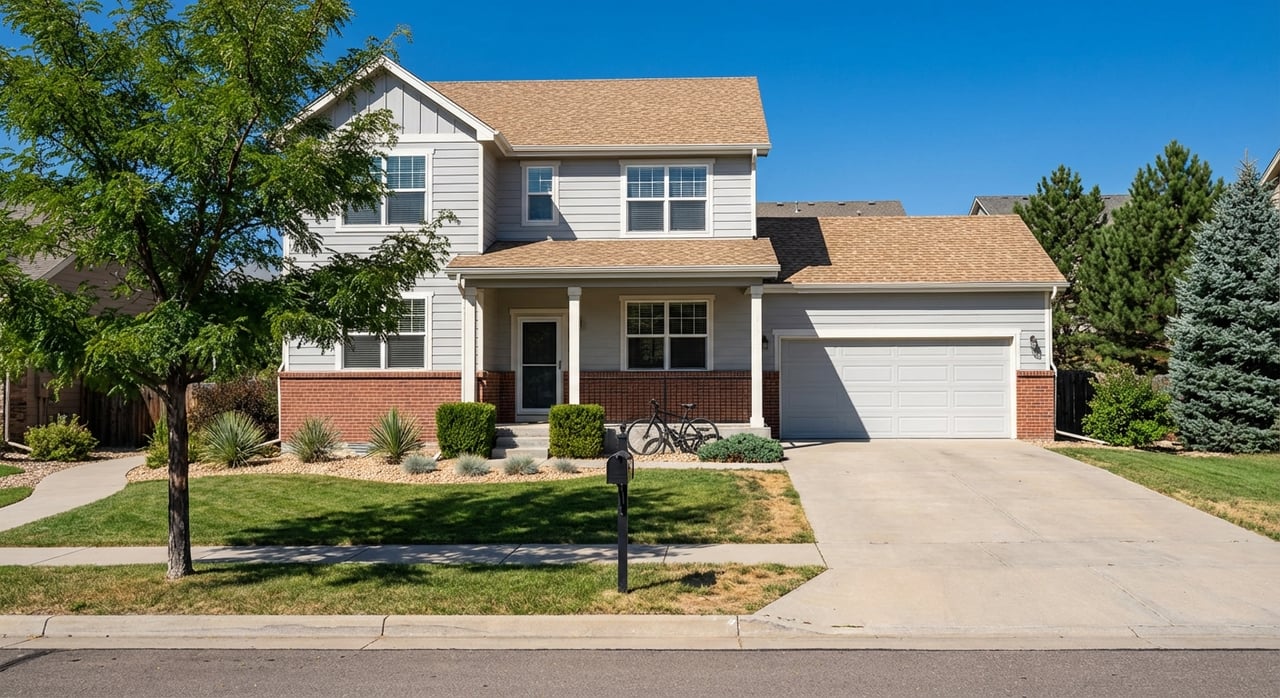
Arvada sits in Jefferson County on Denver’s northwest side. You will find an older downtown core in Olde Town alongside established mid‑century neighborhoods and newer developments toward the west and northwest. The lifestyle is suburban with pockets of walkability, convenient retail corridors, and access to regional open space. Housing ranges from historic bungalows to new construction in master‑planned communities.
Neighborhoods and vibes
Olde Town and Central Arvada
If walkability and local flavor top your list, start here. Olde Town offers a compact main street with restaurants, cafes, small shops, and arts venues. You can expect older bungalows, renovated historic homes, and some infill townhomes or condos in surrounding streets. This area suits you if you want a village feel and rail access to downtown Denver from the nearby commuter station.
Ralston Valley and south central
Centered along the Ralston Creek corridor, these established neighborhoods feature parks, schools, and a mix of mid‑century ranches, newer infill, and small townhome pockets. Daily life here is about easy access to greenways, neighborhood sports fields, and residential streets. It is a good fit if you value steady routines, community parks, and a central location within Arvada.
Northwest Arvada and Candelas
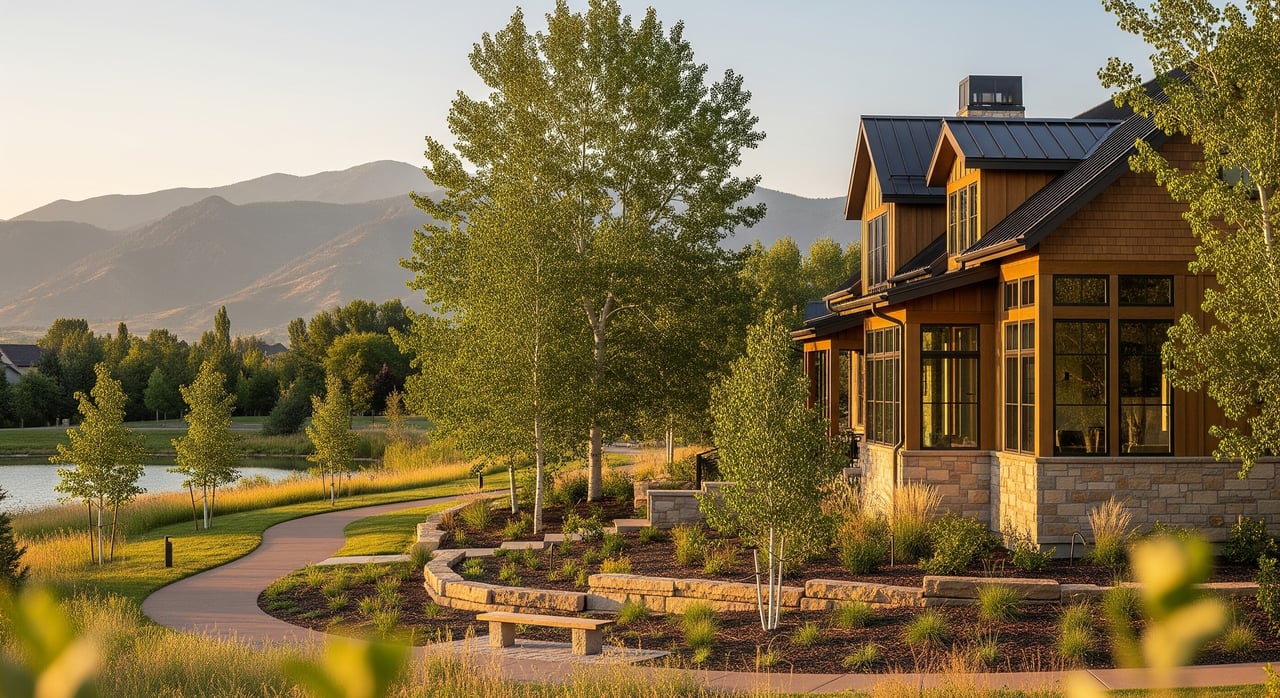
Northwest Arvada hosts recent and ongoing master‑planned development with modern single‑family homes, townhomes, pocket parks, and trail systems. You will find HOA‑maintained amenities, newer construction, and mountain views in many spots. It is farther from Olde Town’s walkable core, so plan on more driving for dining and entertainment compared with central areas.
West Arvada near Golden
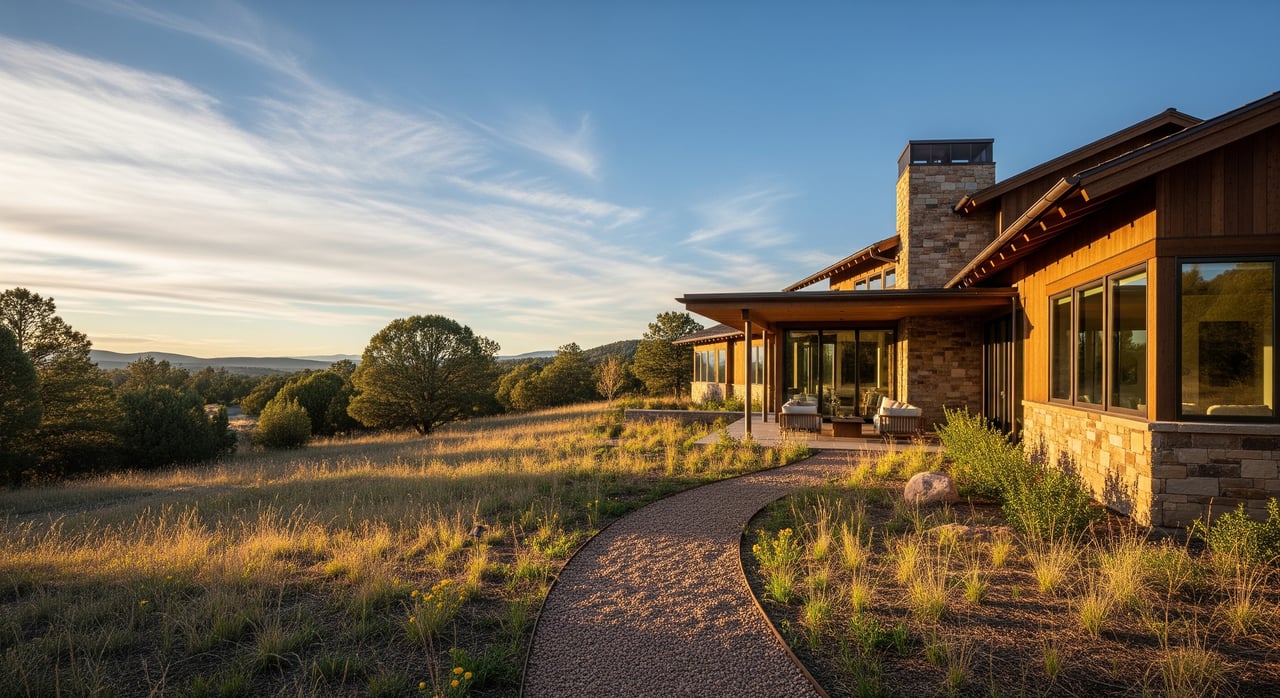
As you head toward the foothills, the landscape opens up and the vibe gets quieter. Expect larger lots, some ranch properties, and neighborhoods with direct routes to foothills trails. If quick access to mountain recreation and a little more elbow room matter to you, this corridor is worth touring.
North and northeast Arvada
Near the Wheat Ridge and Westminster borders, you will find residential neighborhoods and retail corridors with convenient access to major north–south arterials. Housing here ranges from older subdivisions to newer infill and townhomes. Commuters who split time among several suburbs often like the straightforward highway connections.
Parks, trails, and outdoor life
Everyday green spaces
Arvada’s parks system includes neighborhood and community parks with playgrounds, sports fields, picnic areas, and dog‑friendly spaces. Many neighborhoods are within a short drive of fields and play areas, and some have pocket parks inside the community. If you have a daily walking or jogging routine, focus on areas near creek corridors and community parks for an easy loop from your front door.
Trail connections and bikes
You will find multi‑use paved and unpaved trails that follow creek corridors and connect neighborhoods to commercial nodes. Some corridors offer mostly off‑street routes into Olde Town and other destinations. If biking matters for errands or commuting, pay attention to the continuity of bike routes by corridor and confirm the latest city bike maps before you buy.
Mountain access
From Arvada, the foothills and I‑70 mountain corridor are within practical reach for weekend trips. Western neighborhoods have the quickest access to foothills trailheads and the Golden corridor, while central and eastern areas add a few minutes to your drive. Actual drive times vary with traffic and destination, so test your preferred routes during your regular time of day.
Commuting and transit
Driving corridors
Wadsworth Boulevard provides major north–south access through Arvada and links to surrounding Jefferson County communities. A network of east–west arterials connects you to Denver, Golden, and westbound routes to the mountains. Interstate access is indirect compared with some suburbs, and peak traffic can stretch travel times, so plan your commute windows.
Rail and bus options
A regional commuter rail line serves Arvada with a stop near Olde Town that connects to Denver’s Union Station. Local and regional bus routes link neighborhoods with transit hubs and nearby suburbs. If you plan to use transit, check current schedules, station parking, and frequency directly with the regional transit authority before you commit to a location.
Typical commute patterns
In non‑peak hours, many parts of Arvada are roughly a 15 to 30 minute drive to central Denver. Peak windows can be longer depending on corridor and weather. Rail usually offers more consistent timing to Union Station. Outlying northwest and western neighborhoods lean more car‑dependent, while Olde Town benefits from the rail station and walkable errands.
Daily living essentials
Schools and boundaries
Public schools in Arvada are part of Jefferson County Public Schools. The city also includes private and charter options. If schools are a priority, verify attendance boundaries for your exact address through the district. Boundaries can change, and school options and programs vary by location.
Shopping and services
You will find multiple grocery stores and retail centers along major corridors, plus independent shops, cafes, and restaurants in Olde Town. Big‑box shopping and broader retail options cluster near arterial intersections. When touring, map your typical errands so you know the distance to groceries, pharmacies, and home‑improvement stores from each neighborhood you like.
Health care and community
Arvada offers urgent care clinics, primary care offices, and specialty practices, with larger hospitals located in nearby Golden and Denver. Libraries, community centers, and recreation facilities provide classes and year‑round programming. Availability shifts by season, so check current schedules if you rely on specific activities.
Housing types and HOAs
Across Arvada, you will see historic single‑family homes, mid‑century ranches, duplexes, townhomes, and new‑construction subdivisions. Newer master‑planned areas more often have homeowners associations with monthly or quarterly fees and community rules. Older neighborhoods may have minimal or no HOA oversight. Before you buy, review HOA covenants, fees, and reserve funding, and confirm what exterior changes and uses are allowed.
Who Arvada fits
- Families who value neighborhood parks, established schools, and quieter residential streets, especially in central and south Arvada.
- Commuters seeking a balance of suburban living with rail access near Olde Town and reasonable highway routes to Denver.
- Buyers who want new construction, planned amenities, and mountain views in northwest Arvada.
- Retirees and downsizers who appreciate cultural venues like the Arvada Center and a calmer pace than downtown Denver.
Tradeoffs to consider
- Walkability vs. new construction: Olde Town concentrates dining, arts, and rail access, while northwest communities offer brand‑new homes, HOA amenities, and open space.
- HOA lifestyle: Newer developments often include fees and rules in exchange for maintained amenities and neighborhood standards.
- Commute variability: Olde Town and central areas can leverage rail or shorter drives, while outlying neighborhoods lean more on car commutes.
- Pricing spreads: Home ages, sizes, and features vary widely by area. Confirm current inventory, days on market, and pricing with local MLS data before you set a budget.
How to choose your area
Use this quick, practical process to narrow your shortlist:
- Define your daily routine
- List your top 3 must‑have amenities, such as walkable dining, a specific trail, or quick highway access.
- Map your regular errands, schools, and favorite recreation spots to compare drive or bike times.
- Test your commute
- Drive your route during peak and off‑peak hours from at least two candidate neighborhoods.
- If you plan to ride the train or bus, check schedules, parking, and first/last‑mile options from your home base.
- Walk the parks and trails
- Visit the nearest park or greenway and walk a 20‑minute loop to feel how it fits your routine.
- If you have dogs, confirm off‑leash rules and locations with the city before you commit.
- Verify schools and services
- Confirm school attendance boundaries for your specific address with the district.
- Check library programs, recreation center schedules, and community event calendars in your likely area.
- Research ownership details
- Review HOA covenants, fees, and reserve funding for any community on your list.
- Confirm property tax details with Jefferson County and note any special assessments or district fees.
- Confirm future development
- If you are buying in a growing area, contact the city planning department or review approved development plans to understand future roads, parks, or commercial phases.
Ready to explore Arvada?
Arvada offers a compelling mix of neighborhood character, outdoor access, and practical commuting. Whether you want the walkable energy of Olde Town, a mid‑century ranch near parks, or a new home with planned amenities in the northwest, you can find a good fit here. If you want a local, investor‑savvy partner to help you compare neighborhoods, vet HOAs, and plan an efficient search, connect with Wesley Charles. We will help you tour with purpose and make a confident move.
FAQs
What are the main neighborhoods in Arvada?
- Olde Town and central, Ralston Valley and south central, northwest Arvada including Candelas, west toward Golden, and the north/northeast corridors near Wheat Ridge and Westminster.
Which Arvada area is most walkable?
- Olde Town is the primary walkable hub with a compact main street, restaurants, shops, arts venues, and nearby rail access.
Is there commuter rail service in Arvada?
- Yes, a regional commuter rail line stops near Olde Town and connects to Denver’s Union Station; check the latest schedules and parking with the transit agency.
How long is the drive to downtown Denver from Arvada?
- Many parts of Arvada are roughly 15 to 30 minutes in non‑peak hours; peak traffic and corridor choice can extend travel times.
Are HOAs common in Arvada neighborhoods?
- HOAs are more common in newer master‑planned communities, while older neighborhoods may have minimal or no HOA involvement; always review covenants and fees.
How do I verify school assignments in Arvada?
- Contact Jefferson County Public Schools and use the district’s address‑based resources to confirm current boundaries for your exact home location.
What outdoor options are close to Arvada homes?
- Neighborhood and community parks, multi‑use trails along creek corridors, and regional open‑space connections toward the foothills and Golden corridor.
Where can I find current taxes and market data?
- Use the Jefferson County Assessor and the local MLS for property taxes, recorded documents, recent sales, and active inventory; confirm details before making offers.