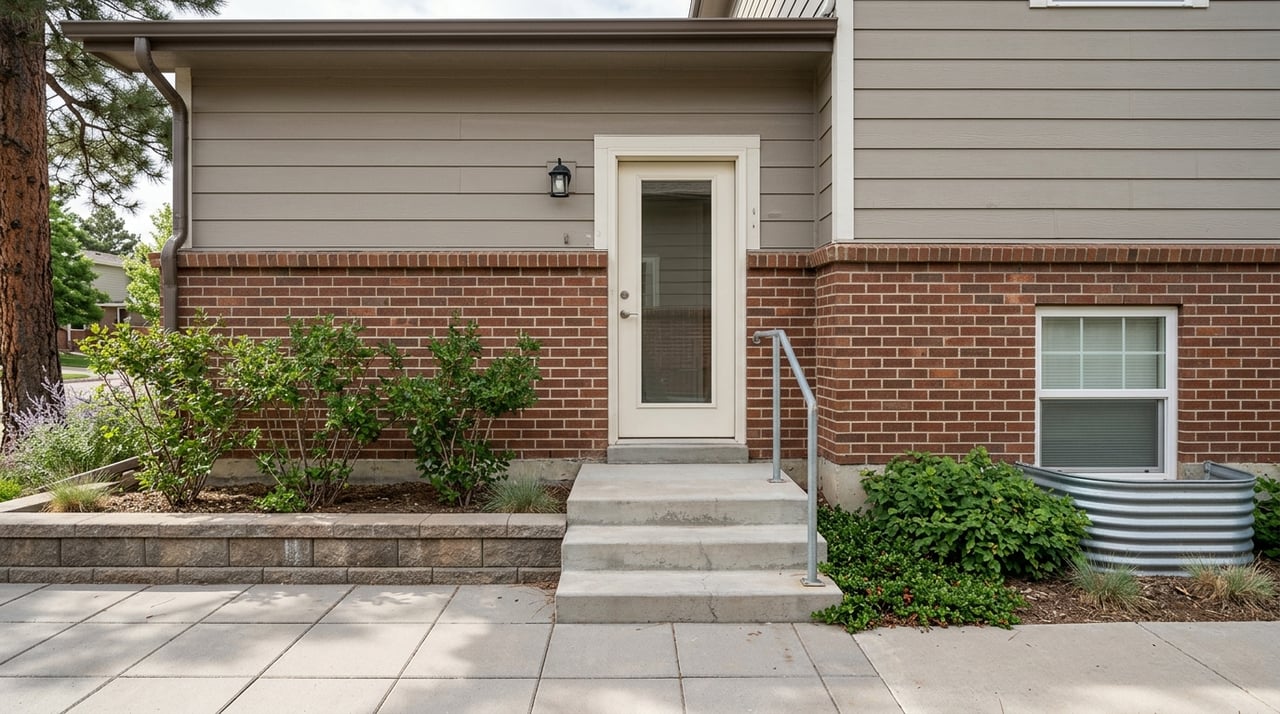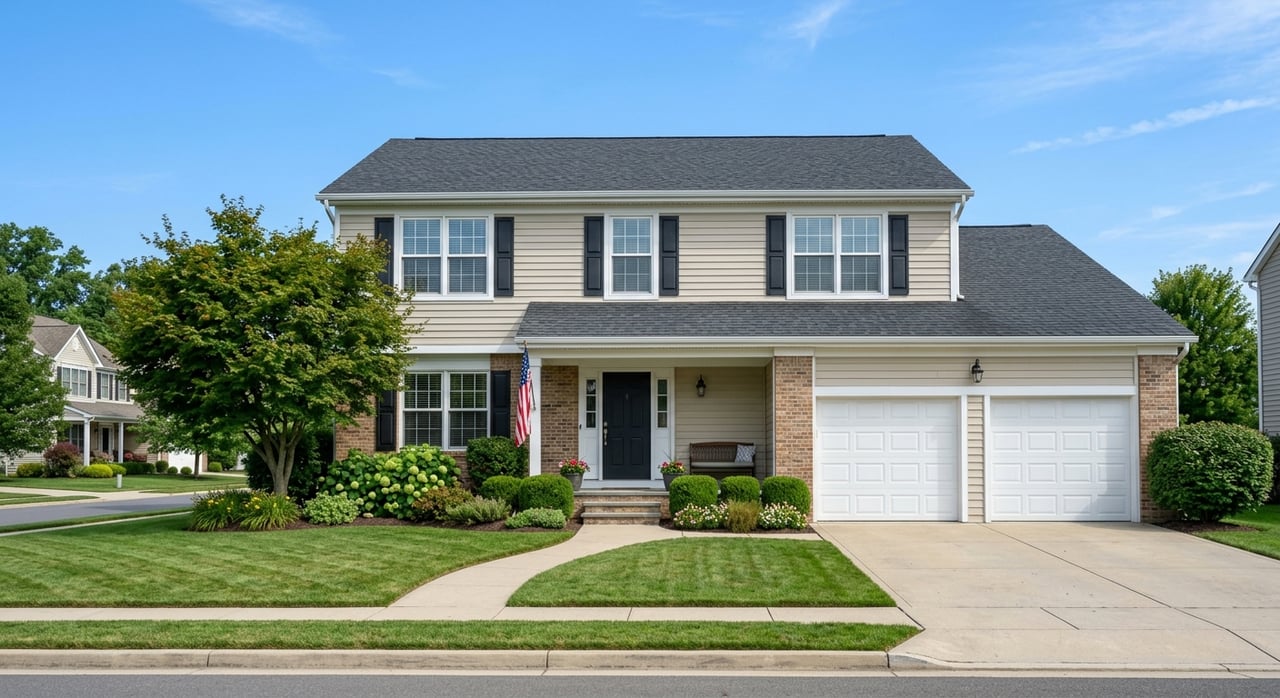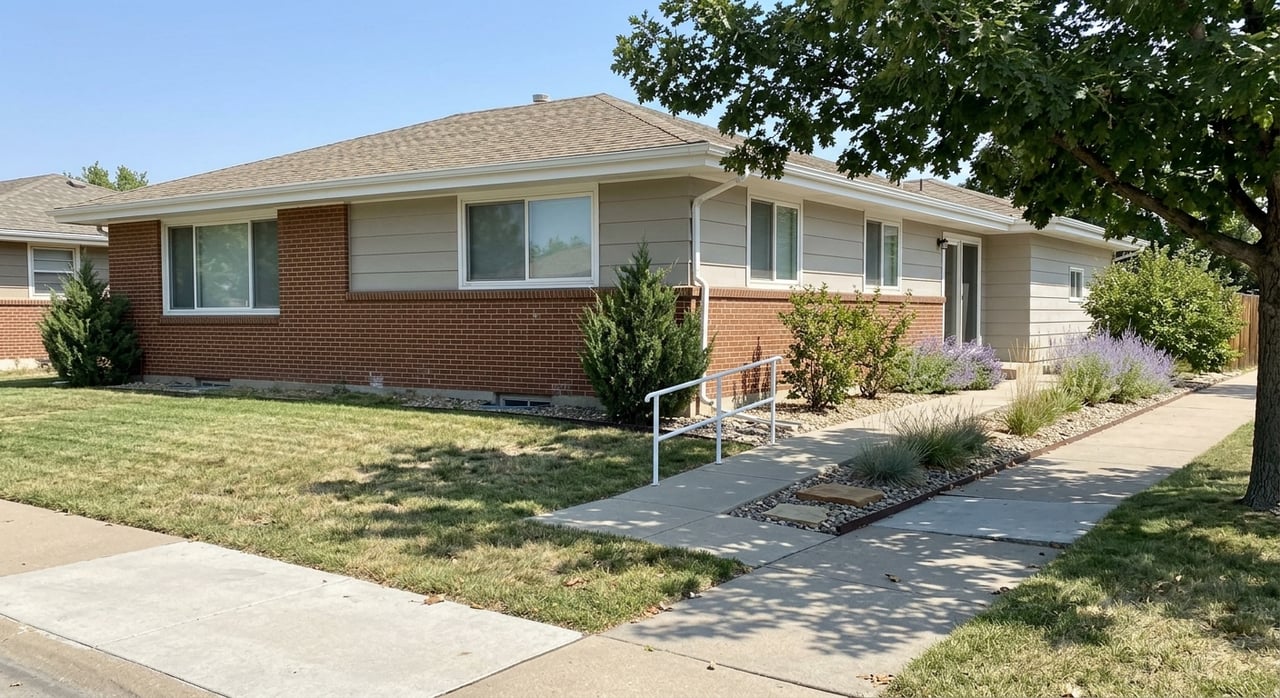
If you want a home in Golden but a detached house feels out of reach, condos and townhomes can open the door. They often offer a lower entry point, easier upkeep, and access to the places that make Golden so appealing, from downtown streets to Clear Creek trails. At the same time, attached homes come with HOA rules, shared costs, and insurance details that can surprise buyers if you do not look closely. This guide will help you compare your options and focus on the details that matter most in Golden. Let’s dive in.
Why attached homes matter in Golden
Golden’s housing market is still expensive by most standards. Recent market snapshots show a median listing price of about $899,000 for the broader Golden market, while Zillow places the average home value at $869,423. That is why condos and townhomes often stand out for buyers who want to enter the market without stretching to a detached home.
Attached homes are not one-size-fits-all, though. Redfin’s current snapshots show 46 condos for sale at a median listing price of $393,000 and 25 townhomes for sale at a median listing price of $799,000. That price gap tells you something important right away: in Golden, townhomes often compete more directly with single-family homes, while condos may offer the clearest lower-cost entry point.
Condo vs townhome pricing
Price ranges within each category can vary a lot. Current condo examples range from about $229,900 to $765,000, and townhome examples include listings starting around $539,000. In other words, age, location, building condition, and finish level can move pricing significantly.
Location also matters. In Downtown Golden, Redfin’s condo page shows a median listing price of $517,000. If you want to be closer to shops, trails, and transit connections, you should expect that convenience to show up in the price.
How to choose the right fit
For many buyers, the condo versus townhome decision comes down to how you want to live day to day. Both options trade private yard space for shared maintenance, HOA oversight, and a more lock-and-leave setup. The better choice is usually the one that matches your routine, budget, and comfort level with shared decision-making.
When a condo may fit better
A condo may be the better fit if you want the lowest maintenance burden possible. Exterior upkeep is often more limited on your to-do list, which can be helpful if you travel often, work long hours, or simply do not want to handle as many property tasks yourself.
Condos can also make sense if your main goal is finding the lowest entry point into Golden. Since the current condo median listing price is far below the broader Golden market median, this category may give you more room to buy into the location you want.
When a townhome may fit better
A townhome often feels a bit more like a house. You may get more square footage, a multi-level layout, or garage utility that better fits storage, gear, or daily life.
In Golden, townhomes can appeal to buyers who want a little more separation of space without taking on all the maintenance that can come with a detached home. Just keep in mind that townhome pricing can track much closer to the wider Golden market.
Golden lifestyle factors to weigh
In Golden, lifestyle is a major part of value. Downtown is walkable, and visitors and residents can use the free Ore Cart shuttle or RTD. The Ore Cart also connects to the Jefferson County Government Center-Golden W Line station, and RTD’s W Line runs from Union Station to Golden.
That means an attached home near downtown or transit may support a more car-light routine. If being able to get around with less driving matters to you, location can be just as important as floor plan.
Clear Creek is another big factor. The Clear Creek Trail starts in downtown Golden and connects west toward Clear Creek Canyon Park and east toward the metro area. The City of Golden also shows a broader network of city, county, private, shared-use, and bike routes, which reinforces how closely Golden living is tied to outdoor access.
HOA tradeoffs to understand
Nearly half of Colorado’s population lived in a common-interest community at the end of 2024, according to the Colorado HOA Center. That makes HOA living very common in this state, but common does not mean simple. You should understand what you are gaining and what you are giving up.
The main tradeoff is straightforward: less exterior upkeep in exchange for dues and rules. Colorado DORA says associations have broad discretion over maintenance and landscaping, so you should not assume every exterior issue will be handled on your timeline or exactly how you would prefer.
What your dues may cover
Monthly assessments can pay for a range of community costs. DORA notes they may cover maintenance, landscaping, insurance, legal fees, registration fees, and other operating expenses.
That is why two homes with similar list prices can feel very different in actual monthly cost. A lower purchase price with high dues may not be the bargain it first appears to be.
Why reserves matter
Reserve funding is one of the biggest due diligence items in an HOA community. A healthy reserve helps the association prepare for larger future expenses instead of leaning too hard on special assessments.
DORA recommends reviewing reserve information as part of the annual disclosure set and checking meeting minutes for discussions about future projects or possible special assessments. If an HOA has underfunded reserves, today’s affordability could turn into tomorrow’s surprise bill.
Insurance works differently here
Insurance is one of the most important differences between attached homes and detached homes in Colorado. State law requires associations to maintain property insurance on common elements and general liability coverage. For buildings with horizontal boundaries, the master policy must include the units, but not the finished interior surfaces of walls, floors, and ceilings.
That means the HOA’s policy is not a substitute for your own coverage. DORA also notes that owners still need insurance for their own benefit, and associations may allocate deductibles in some situations after a claim.
This matters even more in Colorado because the insurance environment is shaped by hail, wind, wildfire, and other severe weather. The HOA Center also notes that the FAIR Plan is an insurer of last resort when traditional coverage is unavailable. For buyers, the practical takeaway is simple: do not treat insurance as a background detail.
HOA questions to ask before you buy
Colorado buyers under contract are entitled to the HOA documents listed in Section 7 of the Colorado Contract to Buy and Sell. There is no central repository for governing documents in Colorado, though the declaration is recorded with the county clerk and recorder and can often be requested earlier in the process.
Before you move forward, ask focused questions and review the documents carefully. A useful annual disclosure should include the operating budget, regular and special assessments, financial statements and reserves, the latest audit or review, insurance policies and deductibles, bylaws, articles, rules and regulations, meeting minutes, and governance policies.
Here are some of the most important questions to ask:
- What does the monthly assessment pay for?
- Is there a current reserve study?
- Have any special assessments been discussed?
- What is the master-policy deductible?
- How are deductible charges allocated after a claim?
- Are there rental limits, pet rules, parking restrictions, or exterior-approval requirements?
- Is the community professionally managed?
- Who is the community association manager?
- Is the HOA currently registered with the Colorado Division of Real Estate?
A smart Golden buying strategy
In a market like Golden, buying attached housing is not just about finding the right listing. It is about matching the home to your budget, your lifestyle, and the HOA’s financial and insurance picture.
A lower-maintenance setup can be a real advantage, especially if you want easy access to downtown, RTD, or Clear Creek without the full cost of a detached home. But the best purchase is usually the one with clear HOA documents, solid reserves, a workable insurance setup, and a location that supports how you want to live.
If you are comparing condos and townhomes in Golden, it helps to have local guidance that looks beyond list price. The team at The Root & Rise Group can help you evaluate attached-home options, review the tradeoffs, and make a confident move in the Golden market.
FAQs
What is the price difference between condos and townhomes in Golden?
- Current market snapshots show condos in Golden at a median listing price of about $393,000 and townhomes at about $799,000, though individual properties can vary widely by location, age, and condition.
Are condos in Golden cheaper than single-family homes?
- Often, yes. With the broader Golden market showing a median listing price around $899,000, condos can offer a lower entry point than many detached homes.
Do Golden townhomes usually have HOAs?
- Many do. In Colorado, HOA living is common, and townhomes often come with dues, maintenance rules, and governing documents you should review carefully.
What should you review in a Golden HOA before buying?
- You should review the budget, assessments, reserves, insurance policies and deductibles, meeting minutes, bylaws, rules, and any discussion of future special assessments.
Does the HOA insurance policy cover your whole condo or townhome?
- Not necessarily. Colorado law requires certain association coverage, but owners still need their own insurance, especially for interior finishes and personal benefit.
Are condos and townhomes in Golden good for a low-maintenance lifestyle?
- They can be. Attached homes often reduce exterior upkeep, but that tradeoff comes with HOA dues, rules, and shared decision-making.
Why does location matter so much for attached homes in Golden?
- In Golden, access to downtown, the Ore Cart, RTD’s W Line, and the Clear Creek Trail can strongly affect both lifestyle and pricing, especially in areas closer to downtown.