Wondering if house hacking in Arvada can really lower your monthly housing cost? You are not alone. Many buyers like the idea of offsetting a mortgage with rental income, but in Arvada, the numbers and local rules make strategy especially important. If you want a realistic path, this guide will show you what tends to work, what to watch for, and how to shop smarter from the start. Let’s dive in.
Why house hacking looks different in Arvada
House hacking can mean a few different things. You might rent out a basement suite, create an accessory dwelling unit, buy a multi-unit property and live in one unit, or simply rent a bedroom to a housemate.
In Arvada, the most workable version is often an owner-occupied setup built around a compliant ADU or other clearly separated living space. That matters because local zoning, parking, permits, and financing rules all affect what is actually possible after closing.
The market math also matters. Recent snapshots show a median Arvada sale price of about $632,000, average rent around $2,250 per month, and a 30-year fixed mortgage rate of 6.49% as of July 9, 2026.
Using those figures only as a rough example, a buyer putting 20% down at the median price would borrow about $505,600. That creates an estimated monthly principal and interest payment of about $3,192, which means average rent would cover only about 70% of that payment before taxes, insurance, maintenance, utilities, or other ownership costs.
Arvada ADU rules matter most
If you are serious about house hacking in Arvada, ADU rules should be one of your first filters. The city allows accessory dwelling units in all residential zone districts where an existing detached single-family home is already on the lot.
For many buyers, the most relevant setup is a basement-style unit inside or attached to the main home. Arvada treats that as a Type B ADU when it is rented as a separate dwelling unit.
This can be a strong fit for live-in owners because it creates more separation between your space and your tenant’s space. It can also be more useful than simply renting one bedroom when your goal is to meaningfully reduce your monthly housing expense.
Basement ADUs can offer more flexibility
Arvada says Type B ADUs built within the footprint of the existing home are exempt from the standard ADU size caps. Instead, they are limited to 50% of the floor area of the principal dwelling.
That is a meaningful detail if you are shopping for a home with a large basement. A basement that looks promising on a showing may offer real long-term value if the layout, access, and permitting path make a separate dwelling possible.
Parking is a real constraint
Arvada requires one additional on-site parking space for an ADU beyond the parking required for the main home. That makes driveway width, garage setup, and usable side-yard or rear parking options more important than many buyers expect.
A home can have a great basement and still be a poor house-hack candidate if the lot does not support the required parking. This is why it helps to evaluate the full property, not just the interior square footage.
Permits and contractors are part of the plan
Arvada requires ADU permits to be issued to licensed contractors. A Certificate of Occupancy is also required before the permit process is finalized.
That means a future basement rental is not usually a quick weekend project. You should budget for licensed work, inspections, and enough time to complete the project correctly.
HOA approval can still apply
Even if the city allows the ADU, Arvada says HOA approval is still required when an HOA governs the property. This is one of the easiest issues to overlook early in your search.
If you are considering a home in a community with an HOA, that extra layer should be reviewed before you get too far down the road.
State law supports the strategy
Colorado law has made ADUs more viable in many places, including Arvada. HB24-1152 requires subject jurisdictions, on or after June 30, 2025, to allow one ADU as an accessory use to a single-unit detached dwelling in areas where single-unit detached dwellings are allowed, subject to administrative approval.
Another Colorado law, HB24-1007, says local governments may not limit how many people may live together in a dwelling based on familial relationship. Health and safety rules can still apply, but this law supports more flexible household arrangements.
These laws do not remove Arvada’s local rules. They do, however, make the overall house-hacking path more workable than it used to be.
Financing is easier with an ADU than a roommate
One of the biggest mistakes buyers make is assuming all rental income is treated the same by lenders. In practice, income from a compliant ADU is generally easier to use than income from a casual room rental.
Current conventional guidance is more favorable for rental income tied to an existing ADU on a one-unit primary residence. Freddie Mac also allows rental income from an ADU on a subject one-unit primary residence and from non-owner-occupied units in a 2- to 4-unit primary residence.
That does not mean every dollar of projected rent will count the way you hope. It does mean a legal, well-defined rental setup usually gives you a stronger financing story than a simple plan to rent a spare room.
Roommate income has tighter limits
Some conventional programs may allow boarder income, but the rules are narrower. Fannie Mae HomeReady flexibilities say boarder income may be allowed in some cases with documentation for at least 9 of the most recent 12 months and proof of shared residency for the past 12 months.
That same guidance says boarder income may make up no more than 30% of qualifying income. So if your plan is to qualify for the purchase based on a future roommate, that path may be less helpful than you expect.
Rental income may be capped in some cases
Freddie Mac adds another practical limit. If no borrower has at least one year of property-management experience, rental income from an ADU may be capped so that it only offsets the housing payment and related costs.
That is one more reason to think of house hacking as a cost-reduction strategy first, not a magic formula that turns every Arvada purchase into a cash-flow machine.
What to look for in an Arvada house-hack property
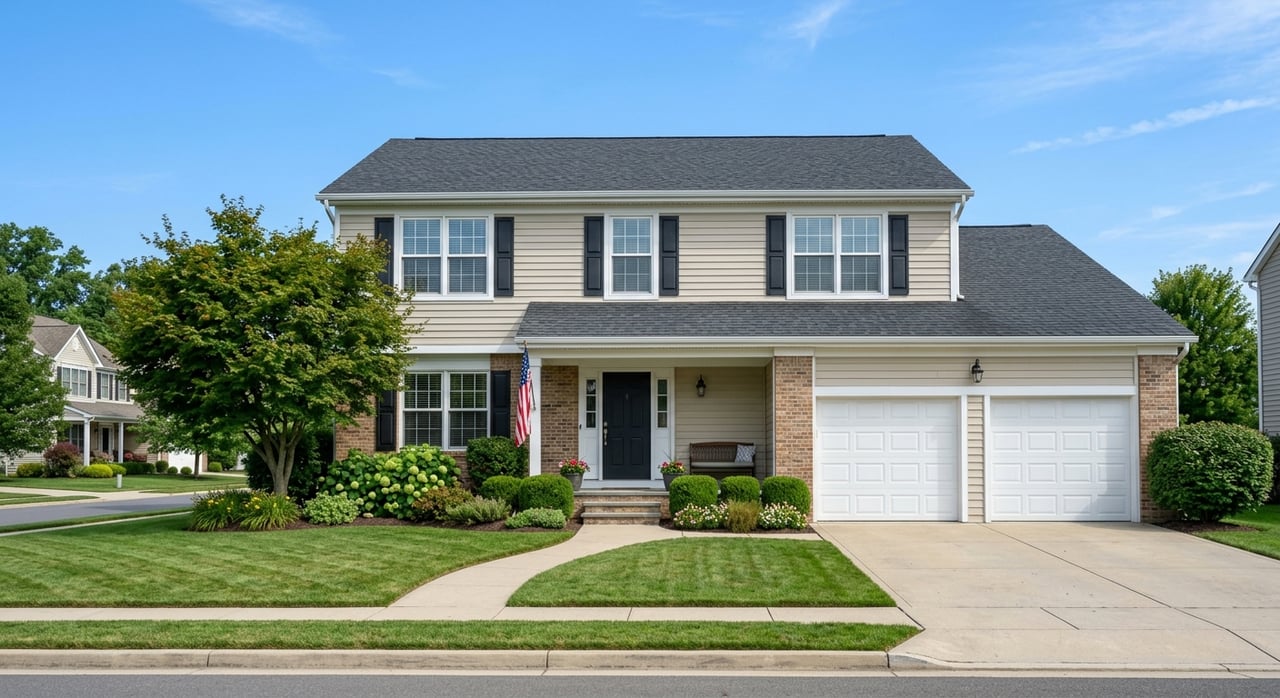
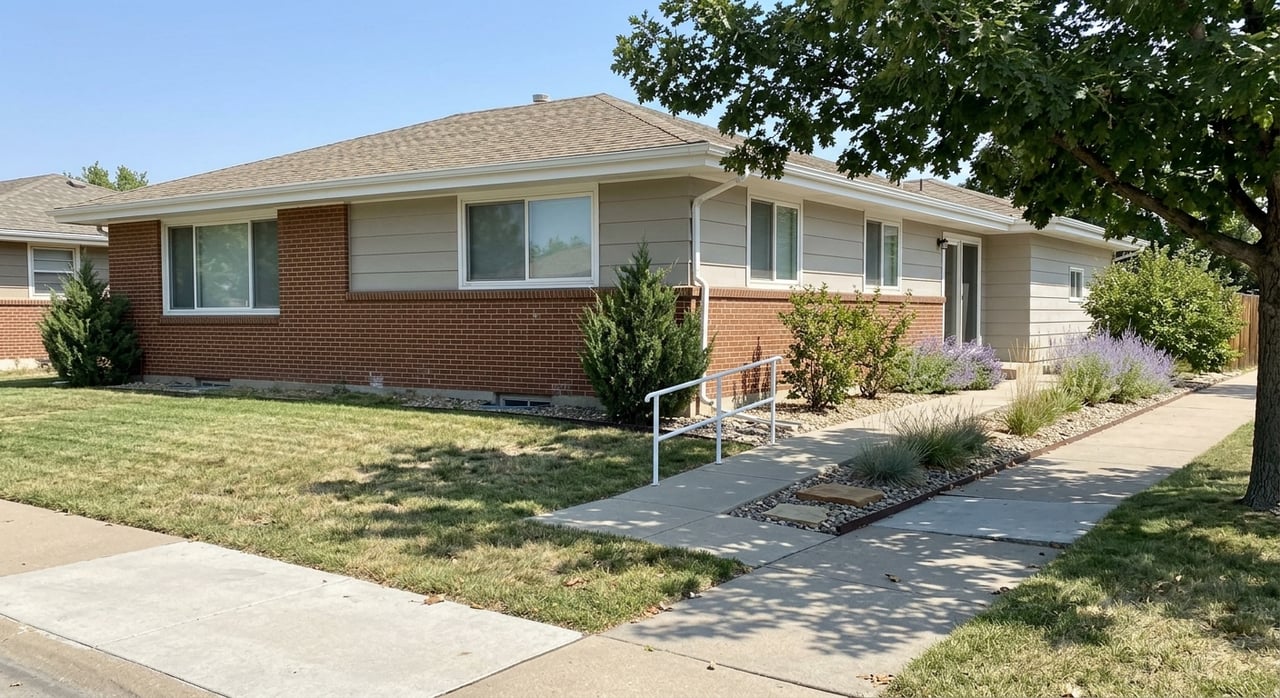
The best candidates are often detached single-family homes with basement potential, enough lot space for parking, and a layout that supports separate access and a clear divide between owner space and tenant space.
In Arvada, a promising property usually checks several boxes at once. A nice basement alone is not enough.
Prioritize these property features
- Detached single-family home
- Basement or attached space with strong conversion potential
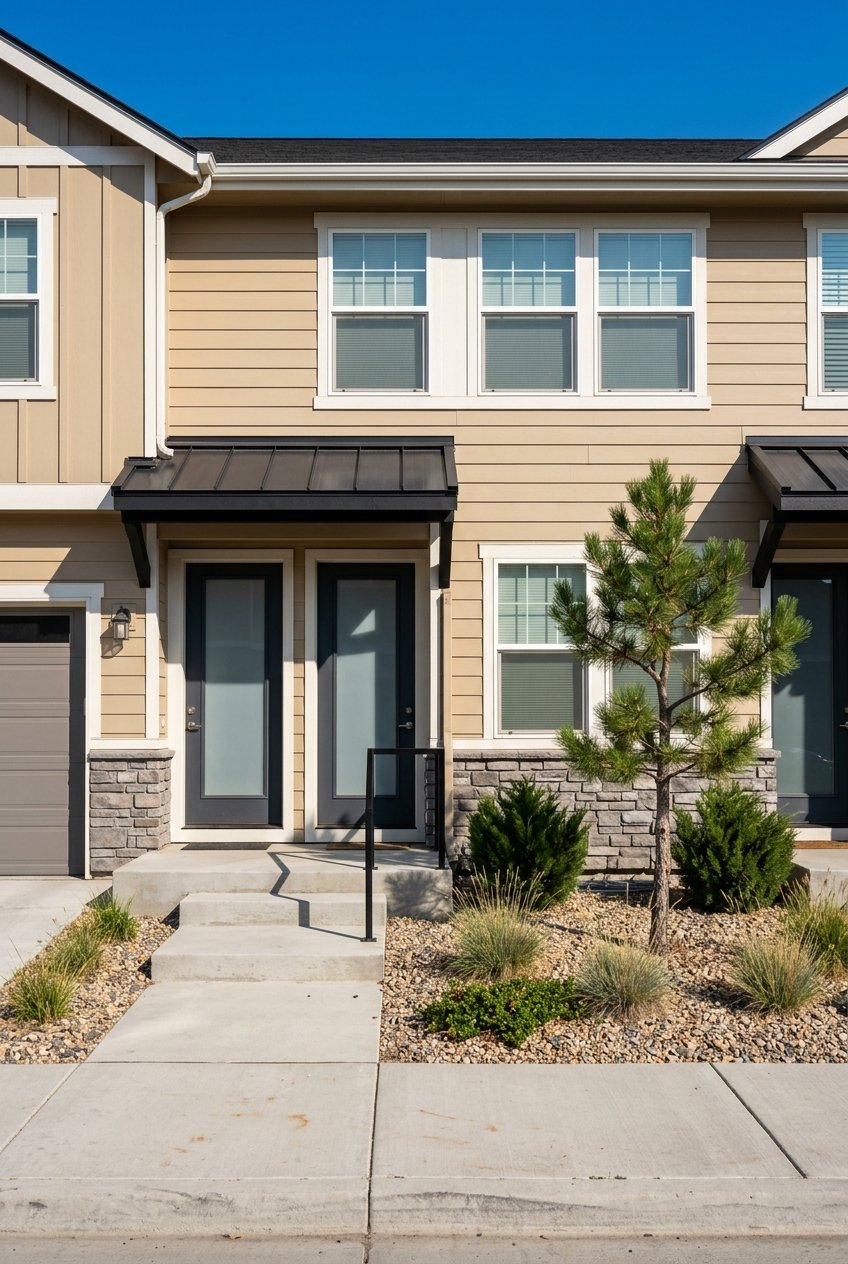
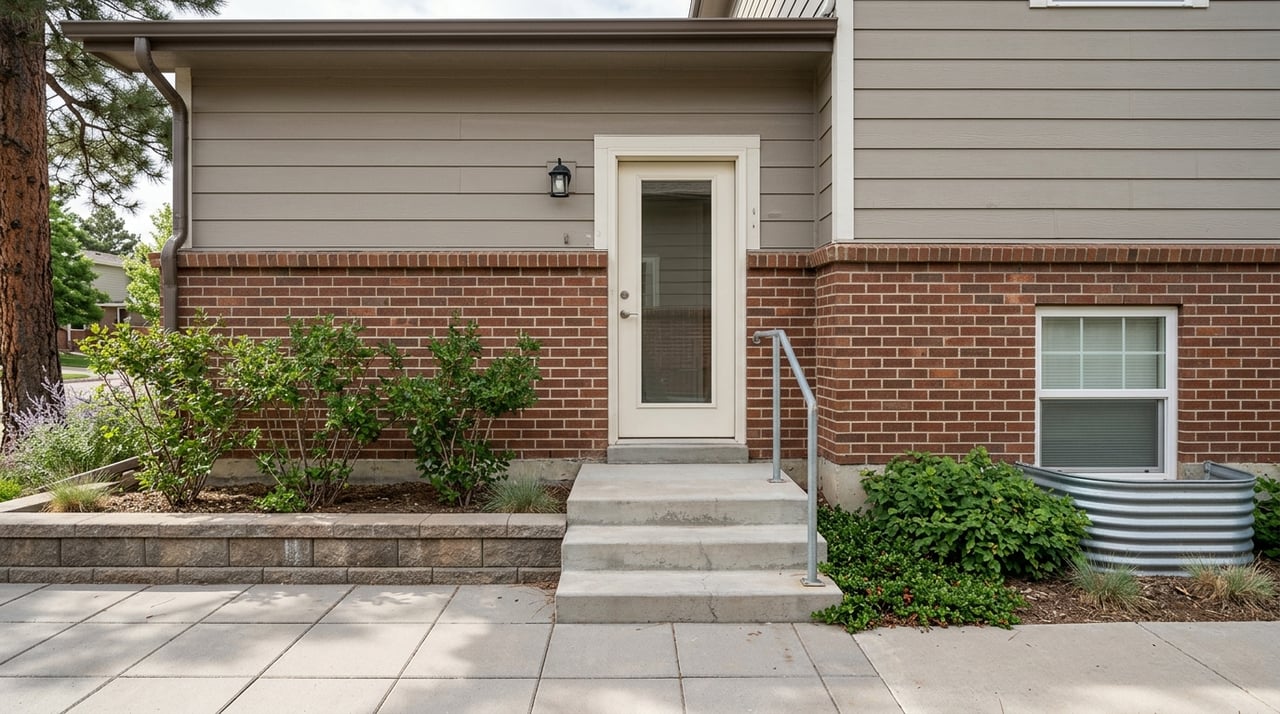
- Layout that may support separate entry and privacy
- Enough on-site parking for the main home plus an ADU space
- Lot and structure that appear compatible with zoning and development standards
- No obvious HOA barriers, or clear HOA approval potential
Screen these issues early
Before you get emotionally attached to a property, it helps to review:
- Zoning
- Lot coverage
- Setbacks
- Parking compliance
- Deed restrictions
- HOA rules
- Overall remodel scope
Arvada points buyers to zoning district standards and notes that parking and deed restrictions are part of Chapter 5 review. In plain terms, that means feasibility should be part of your home search, not something you check only after going under contract.
Think beyond the purchase price
A lower-priced home is not always the cheaper house-hack opportunity. If the basement lacks a workable layout, if separate access is difficult, or if code upgrades are extensive, your total project cost may rise quickly.
Because Arvada requires licensed contractors and inspections for ADUs, project readiness matters. You want to think about the full picture, including conversion scope, timeline, and how soon the space could realistically become rentable.
Live-in owners still need a landlord mindset
Once you rent part of your home, you are not just a homeowner. You are also operating as a landlord, even if you live on site.
Colorado’s housing protections include rules involving security deposits, rental applications, notices of rental increases, and the warranty of habitability. If an eviction issue ever arises, the Colorado Judicial Branch says the case is filed in the county where the property is located and must be brought by the landlord, owner, or another person in interest.
That is why the safest approach is to treat the arrangement like a real tenancy from day one.
Best practices for live-in owners
- Use a written lease or housemate agreement
- Clearly explain utilities and shared-space expectations
- Document deposits and repair responsibilities
- Screen consistently
- Keep records organized from the start
When you share walls, parking, or common areas with a tenant, clarity matters. Good systems can prevent avoidable conflict and make the experience better for everyone involved.
Short-term rentals are a separate path
Some buyers use the term house hacking when they really mean short-term renting. In Arvada, that is a different strategy with different rules.
The city requires both a short-term rental permit and a business license. Arvada also says the short-term rental can be the entire property or a bedroom, lock-off, or other portion of the property.
There are also limits to know. The city requires an additional on-site parking space unless the entire premise is rented as a short-term rental, limits one owner to up to three short-term rental properties and 240 days per calendar year, and issues only one permit per lot.
That last point matters for ADU owners. If a property has both a main home and an ADU, the owner must choose whether the primary structure or the ADU is the permitted short-term rental.
A smart Arvada strategy starts with realism
In Arvada, house hacking can absolutely help you reduce your housing cost. The strongest version is usually a long-term, owner-occupied plan built around a compliant basement ADU or other well-separated rental space.
What it usually is not is a simple promise that one rented bedroom will wipe out your mortgage. The local rules are workable, but the numbers are tight enough that success depends on the right property, realistic rent expectations, and a landlord mindset from the beginning.
If you want help finding a property that fits both your budget and your house-hack goals, The Root & Rise Group can help you evaluate Arvada opportunities with a practical, investor-aware lens.
FAQs
How does house hacking work in Arvada for live-in owners?
- In Arvada, house hacking often works best when you live in the home and rent a separate ADU or basement-style unit that meets local rules for zoning, parking, permits, and occupancy.
What type of Arvada property is best for house hacking?
- Detached single-family homes with basement conversion potential, enough on-site parking, and a layout that supports separate access are often the strongest candidates.
Can rental income from an Arvada ADU help you qualify for a mortgage?
- In many conventional loan scenarios, income from a compliant existing ADU is generally easier to use for qualification than income from a casual roommate arrangement.
Does Arvada require extra parking for an ADU?
- Yes, Arvada requires one additional on-site parking space for an ADU beyond the parking required for the primary home.
Is renting a room in Arvada the same as building an ADU?
- No, renting a room is usually simpler as a living arrangement, but a compliant ADU often offers better separation and may be more useful than roommate income for financing purposes.
Do Arvada short-term rental rules apply to house hacking?
- They apply if your plan involves short-term renting rather than a long-term tenant, and the city requires a short-term rental permit, a business license, and compliance with specific parking and operating limits.
What should you check before buying a house-hack property in Arvada?
- You should review zoning, lot coverage, setbacks, parking, HOA restrictions, deed restrictions, and the likely scope of any conversion work before moving forward.